Your CRM Is a Glorified Contact List (And It's Costing You Customers)
Share this article
Your CRM isn't just a database. It's a design system for experiences. When used strategically, it doesn't just track customers—it anticipates them.

The $50,000 Software That Nobody Uses
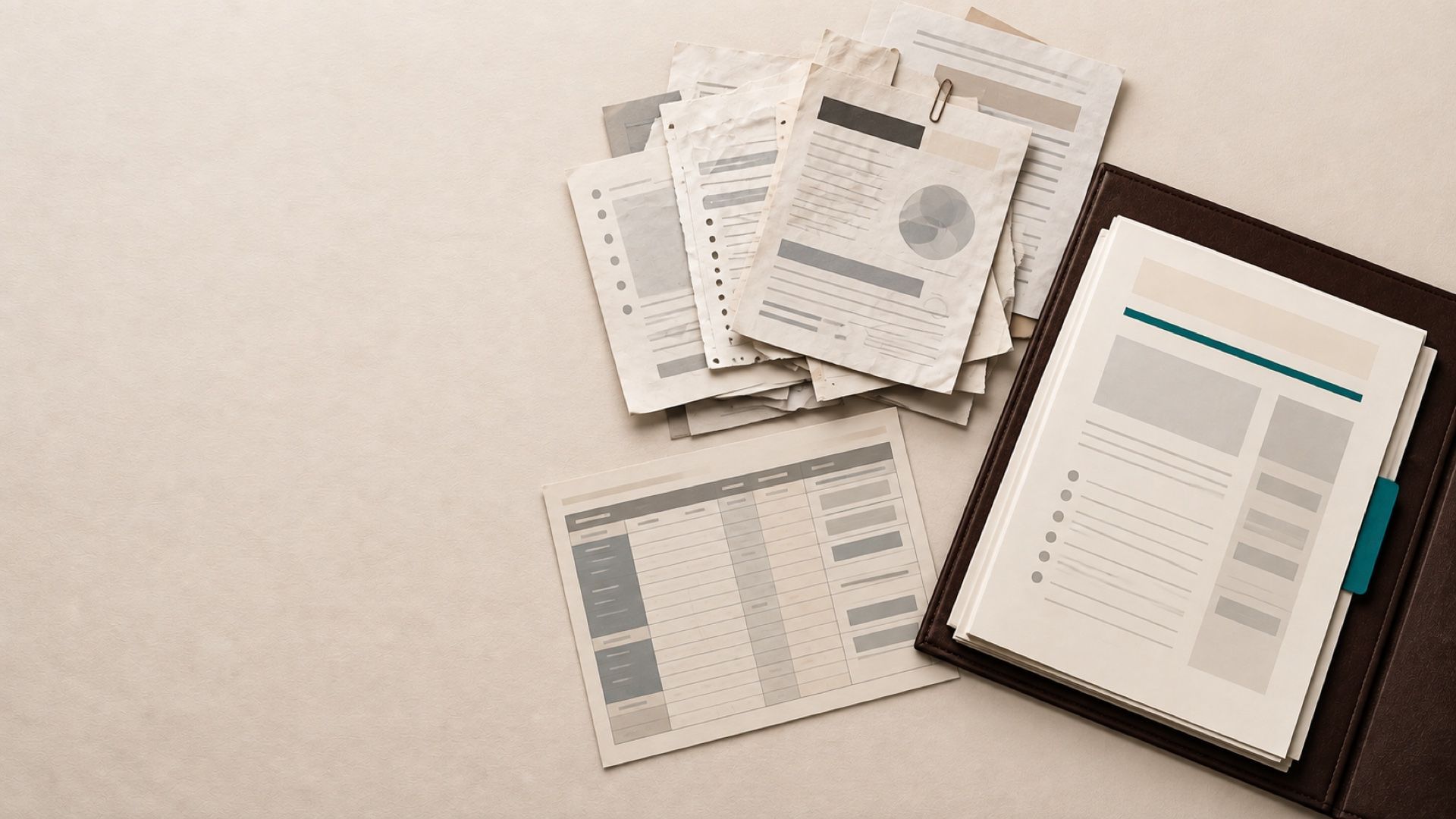
Let me guess what happened with your CRM. You bought it to organize the chaos—fewer spreadsheets, better visibility, automation that would save everyone time. You went through the setup. Imported all your contacts. Set up some basic fields. Maybe even built a couple automations. And then… it became a glorified contact list.
Sales logs calls in it. Marketing pushes campaigns through it. Customer service manages tickets in it. But retention? Still stagnating. Your renewal rates haven’t improved. Your repeat purchase numbers are flat. Customer lifetime value isn’t growing. And you’re left wondering why you spent all this money on a system that doesn’t seem to actually help you keep customers.
Here’s the uncomfortable truth: your CRM isn’t failing because it’s underpowered. It’s failing because it’s under-designed.
The Mistake Everyone Makes
Most businesses treat their CRM like a filing cabinet—a place to store information, a database to organize contacts, a system of record. But here’s what they miss: every interaction your business has with a customer is an experience.
That follow-up email is an experience. That project update is an experience. That renewal reminder is an experience. That automated message after someone downloads your whitepaper is an experience. When these moments are connected, contextual, and consistent, they create trust. When they’re disconnected, generic, and random, they create friction—and friction kills retention.
Why Your CRM Feels Like It’s Not Working
According to HubSpot’s research, over 60% of small and mid-sized businesses say they’re not using even half the features available in their CRM. But here’s what I’ve learned working with dozens of companies on CRM strategy: the problem isn’t that you’re not using enough features. The problem is you’re using technology to store relationships instead of shape them.
Think about the last time you had an amazing customer experience with a company. Maybe it was Amazon knowing exactly when to remind you to reorder something. Or your favorite coffee shop remembering your order. Or a software company sending you exactly the right resource at exactly the right time. Those weren’t accidents. Those weren’t random acts of great service. Those were CRM-driven experiences, rooted in segmentation, automation, and strategy.
The Shift That Changes Everything
Here’s the reframe that changes how you think about your CRM: your CRM isn’t a tool for managing contacts—it’s the blueprint for how your brand communicates, anticipates, and retains.
When someone becomes a lead, what should they experience? What messages should they receive? What information do they need at that stage? When they become a customer, how does the experience shift? What do they need now? How should your communication change? When they’re up for renewal, what should happen? What touchpoints matter most? How do you remind them of value without feeling pushy?
Most CRMs answer these questions with “send them an email.” But that’s not strategy. That’s just noise.
The Real Opportunity You’re Missing
In 2025, experience is the new conversion metric. Your customers aren’t judging you against your competitors anymore—they’re judging you against their last best digital experience.
When someone interacts with your business, they’re not comparing you to other companies in your industry. They’re comparing you to Netflix’s personalization, Amazon’s anticipation, and Spotify’s recommendations. They’re comparing you to every frictionless, contextual, perfectly timed experience they’ve had anywhere. That’s the bar—and your CRM is either helping you meet it or holding you back from it.
How We Actually Build This
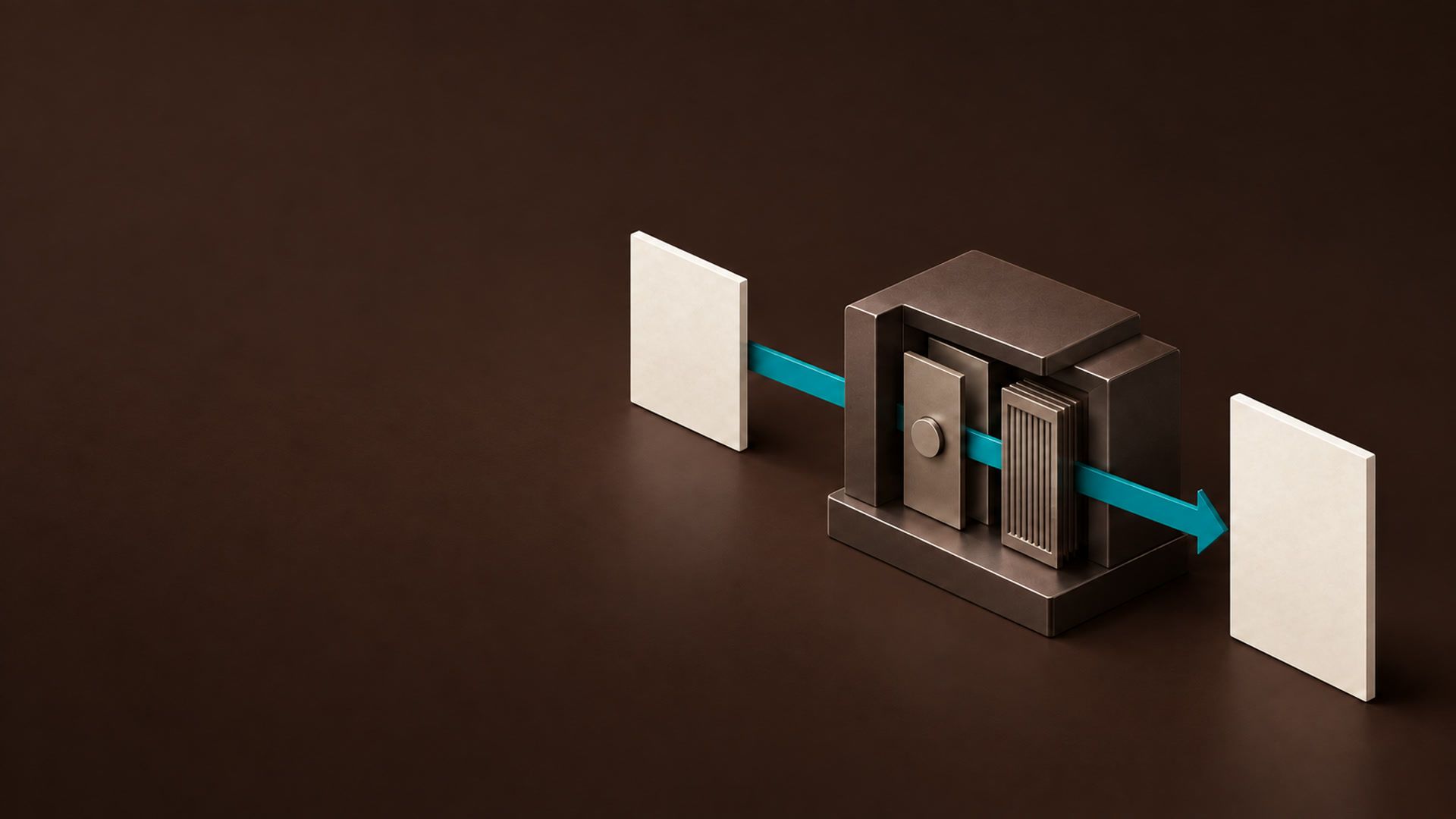
At Foundari, we approach CRM strategy like architecture: structured, intentional, built to scale. We call it the Experience by Design Model. It’s how we turn CRMs from systems of record into systems of retention.
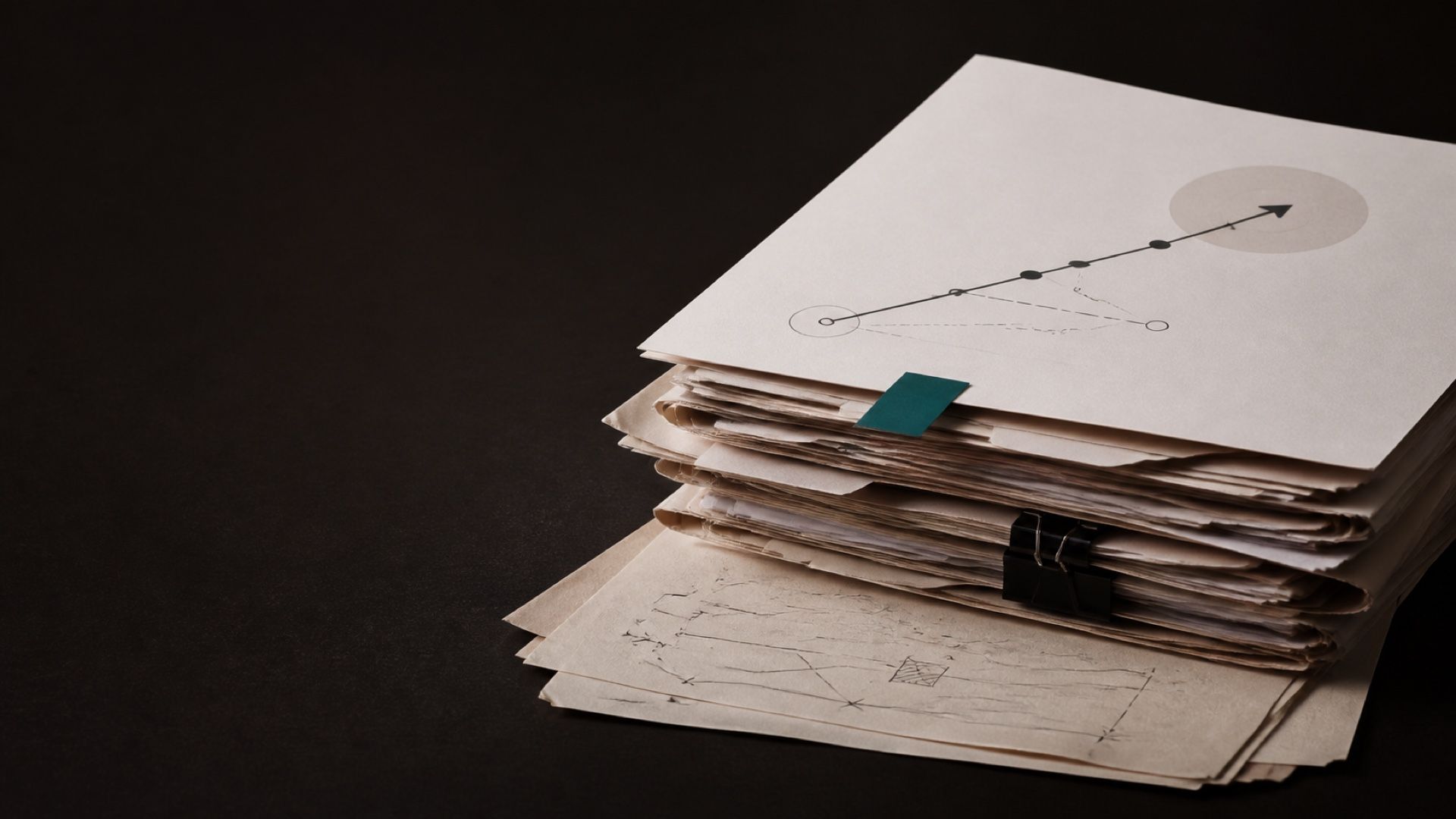
First, we map the lifecycle—where people actually are. Most businesses organize their CRM by job title, company size, or industry, but that’s not how customers experience your business. They experience it as a journey: awareness, evaluation, conversion, delivery, retention, and advocacy. Each stage requires different communication, different content, and different timing. If you’re sending the same messages to everyone regardless of where they are, you’re creating friction.
Next, we segment intelligently and go beyond demographics. Most businesses split contacts by industry or role, but that doesn’t tell you anything about the relationship. Smart segmentation uses behavioral context: engagement level, purchase history, content interactions, communication preferences, and the problems they’re trying to solve. When you segment this way, messages feel personal instead of templated.
Then we design message flows to build continuity. This is where most CRMs fall apart. Someone downloads a resource and gets a thank-you email. A week later they get a newsletter that ignores what they downloaded. Then sales reaches out with no reference to prior interactions. Each message exists in a vacuum. There’s no story. Your CRM should create a narrative arc, not random touchpoints.
Finally, we systemize delivery. Once the lifecycle is mapped, segments are built, and message flows are designed, everything connects to CRM events and automation. Someone downloads a case study and enters an evaluation flow. Someone makes their first purchase and moves into onboarding. Someone goes quiet for 30 days and receives a re-engagement message. It all happens automatically, contextually, and at exactly the right time. That’s when your CRM stops being software and starts being strategy.
Real Story: The Food Manufacturer Who Got It Right
We worked with a mid-sized food manufacturer and private-label partner we’ll call Orion Nutrition Group. They had invested heavily in Zoho One. All the tools. All the features. And they were drowning in their own data.
Thousands of contacts. Almost no segmentation. Leads received the same newsletters as ten-year customers. Active clients got the same promotions as cold prospects. Renewal opportunities slipped through the cracks because no one knew who was up for renewal.
The problem wasn’t the CRM—the technology was fine. The problem was they’d never designed experiences. Marketing blasted campaigns. Sales followed up randomly. Customer service worked in a silo. No one was thinking about the customer journey.
We rebuilt their system around lifecycle stages and behavior. New leads received education and value. Prospects got case studies and social proof. New customers received onboarding and support. Established clients received advanced resources and exclusive offers. Everything connected—Zoho CRM, Campaigns, and Books feeding into one seamless experience.
Engagement rose 47%. Repeat orders increased 33%. Renewal follow-up time dropped 22%. But the real transformation was cultural. As one executive told us, “We stopped sending emails and started sending experiences.”
Five Principles to Transform Your CRM
Build around the lifecycle, not the list. Segment beyond demographics. Create message flows instead of email blasts. Connect marketing and operations. Measure what actually matters—engagement consistency, lifecycle progression, and renewal timing.
These are the real metrics of CRM success.
Why This Matters More Than You Think
Retention is cheaper than acquisition. Always. It costs five to seven times more to acquire a new customer than to keep an existing one. Yet most businesses spend all their CRM energy at the top of the funnel—and once someone becomes a customer, communication drops off or turns generic.
That’s where the opportunity is. When you design experiences that make customers feel seen, valued, and anticipated, they stay longer, buy more, and refer others. Your CRM is the system that makes that possible—but only if you treat it like an experience engine instead of a contact list.
The Bottom Line
Your CRM has the potential to be your most powerful retention tool—but not if it’s just storing information, lumping everyone together, and sending generic messages. The right message, at the right time, to the right person isn’t a tagline. It’s what your CRM should make effortless.
When you correctly segment and message leads and clients based on lifecycle stage, your CRM transforms from software into strategy, from a database into a design system for experiences, and from a cost center into a retention engine.
That’s the opportunity sitting in front of you right now. The question is whether you’ll keep using your CRM as a glorified contact list—or finally turn it into what it should have been all along.
If your CRM feels more like a burden than a benefit, we can help. Designing experiences through strategic CRM implementation is what we do at Foundari. Let’s talk about turning your contact list into a retention engine.
Recent Posts