Cash Flow Is a Positioning Decision: How Slow Invoicing Trains Customers to Pay Late
Share this article
Slow, sloppy billing trains customers to treat your payment terms as optional. Here's how to retrain them.
You finished the job two weeks ago. The crew was sharp, the work was clean, and the customer was happy. Then the invoice sat in someone's inbox while you chased estimates and juggled schedules. By the time it went out, it looked rushed: a generic PDF, wrong line items, no due date anyone took seriously.
Three weeks later, you're wondering why you still haven't been paid.
Here's the uncomfortable truth. Fixing cash flow in a service business is rarely about your margins or your customers being deadbeats. It's about what your billing process signals. When invoices go out late and look like an afterthought, you're quietly telling people that payment is an afterthought too.
That's a positioning problem disguised as an accounting problem.
Your Invoice Is a Brand Touchpoint, Not a Formality
Most contractors think about brand as the truck wrap, the logo, the website. That's decoration. At Foundari, we talk about Brand Conditioning: your brand is your infrastructure, not your paint job. It's how you operate, every single time someone interacts with you.
An invoice is one of the most loaded touchpoints you have. It arrives right after you've delivered value, when trust and goodwill are at their peak. Send it fast, clean, and confident, and you reinforce that you run a tight operation worth paying promptly.
Send it late and messy, and you undercut everything the crew built on site.
Picture it from the customer's chair. A roofing company finishes a $40,000 job and the homeowner is thrilled. Then the bill shows up 16 days later with a typo in the address and no clear due date. The signal isn't "this company is busy." The signal is "this company is loose with details and isn't in a hurry to get paid."
So the customer isn't in a hurry to pay.
How Slow Invoicing Creates a Payment Culture
Payment behavior is learned. Every late invoice teaches your customers something about how seriously you take your own terms.
Here's the cycle we see across HVAC companies, electrical contractors, and general contractors in the $2M to $20M range:
- The job wraps, but billing is manual and tied up with one overloaded person.
- The invoice goes out days or weeks late.
- The customer, reasonably, assumes there's no urgency on your end.
- They pay on their schedule, not yours.
- Your accounts receivable balloons, and you start borrowing against future work to cover today's payroll.
The lag compounds. Getting paid on time in the trades isn't about being aggressive. It's about being consistent, fast, and clear enough that paying you on time becomes the obvious default.
Slow billing also quietly tells the market what your work is worth. Treat collecting your fee as an afterthought, and customers absorb that message. Confident, prompt billing says the opposite: this work has value, and we expect to be paid for it on schedule.
What a Tightened Billing Process Actually Fixes
When we help a service business rebuild its billing process, we're not just speeding up paperwork. We're aligning operations with positioning. Here's what changes:
- Cash flow stabilizes. Money that used to sit in receivables for 45 to 60 days starts landing in 15 to 30. For a company doing several million in revenue, that swing is the difference between borrowing to make payroll and funding your own growth.
- Disputes drop. Clean, itemized, on-time invoices give customers nothing to push back on. Vague invoices invite "let me review this" conversations that stall payment for weeks.
- Your team stops chasing. When billing is systematized, your office staff isn't spending hours each week reconstructing what got installed and reminding people to pay.
- Your market value goes up. Operational tightness reads as professionalism. Companies that bill like they mean it tend to get treated like premium operators, because they behave like premium operators.
Faster Invoicing for Contractors: The System Behind It
You don't fix this by telling someone to "send invoices faster." You fix it by building a system, so fast, accurate invoicing happens by default, without depending on one person's memory or mood.
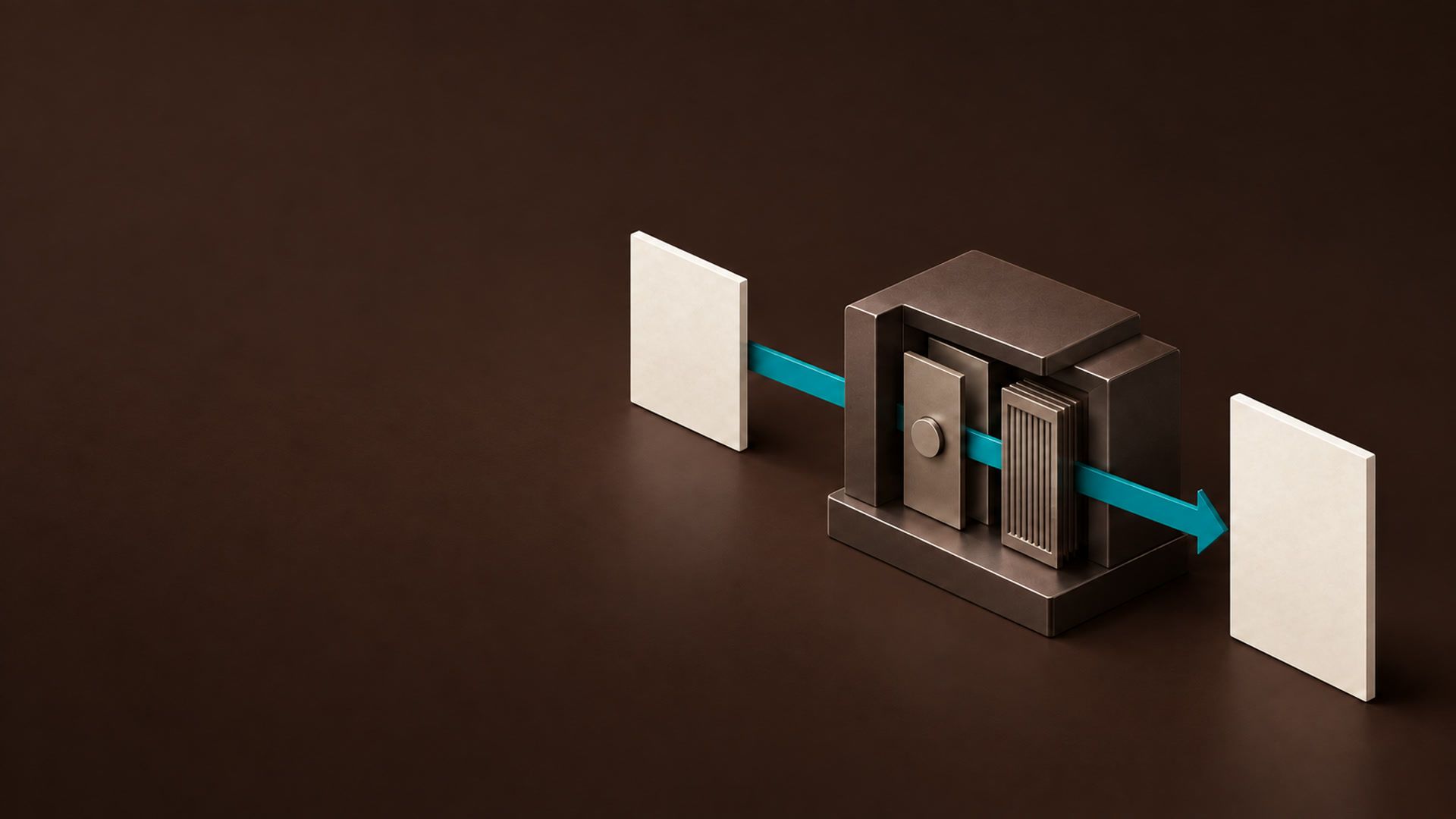
This is where Capability-Driven Integration matters. The goal isn't to buy another billing app. It's to connect the work you already do so an invoice generates itself the moment a job is marked complete.
A practical version of faster invoicing for contractors looks like this:
- Trigger at job completion. When a tech closes out a job in the field, the invoice draft is created automatically from the work order and line items. No retyping, no reconstruction.
- Standardized, branded format. Every invoice looks the same: clear scope, itemized costs, a firm due date, and obvious payment options. Consistency is the brand.
- Automatic delivery and reminders. The invoice goes out same day. Polite, automated reminders fire at set intervals so nobody has to remember to nudge.
- Easy payment. A click-to-pay link removes friction. The harder it is to pay you, the longer it takes.
- A human in the loop where it counts. Automation handles the routine. Your team handles the judgment calls and the relationships.
That last point matters. This is Human and AI Synergy, not replacement. The system does the repetitive lifting so your people can focus on the work and the customers who actually need a conversation.
Why We Don't Treat This as a Standalone Fix
You could hire a bookkeeper to bill faster and call it done. But you'd be solving the symptom while ignoring the cause.
Accounts receivable problems in HVAC and the trades are usually downstream of disconnected operations: the field, the office, and the brand all running separately. The fix is aligning them, so how you operate matches how you want the market to see you.
That's why we don't do standalone branding, and we don't do standalone automation. Your invoice, your follow-up cadence, and your payment experience are all part of the same story your brand tells. When they're aligned, cash flow stops being a constant fire drill.
The Takeaways
- Late, sloppy invoices train customers to pay late. Payment behavior is learned from the signals you send.
- Your invoice is a brand touchpoint. How you bill communicates how much you value your own work.
- Speed and consistency beat aggression. Prompt, clean, predictable billing makes on-time payment the default.
- Systematize the trigger. Invoices should generate at job completion, not when someone gets around to it.
- Operational excellence is positioning. Tightening billing improves cash flow and how the market values you at the same time.
Stop Letting Your Invoices Undercut Your Crew
Your team does excellent work in the field. Your billing should match that standard. When it doesn't, you're leaving cash on the table and quietly teaching customers that your terms are negotiable.
The good news: this is one of the fastest, highest-leverage things a service business can fix. Connect your field operations to your billing, standardize the experience, and let automation handle the follow-through.
Ready to fix the cash flow problem at its root? Foundari helps skilled trades businesses align their operations and brand so they get paid faster and valued higher. Let's talk about your billing process.
Recent Posts